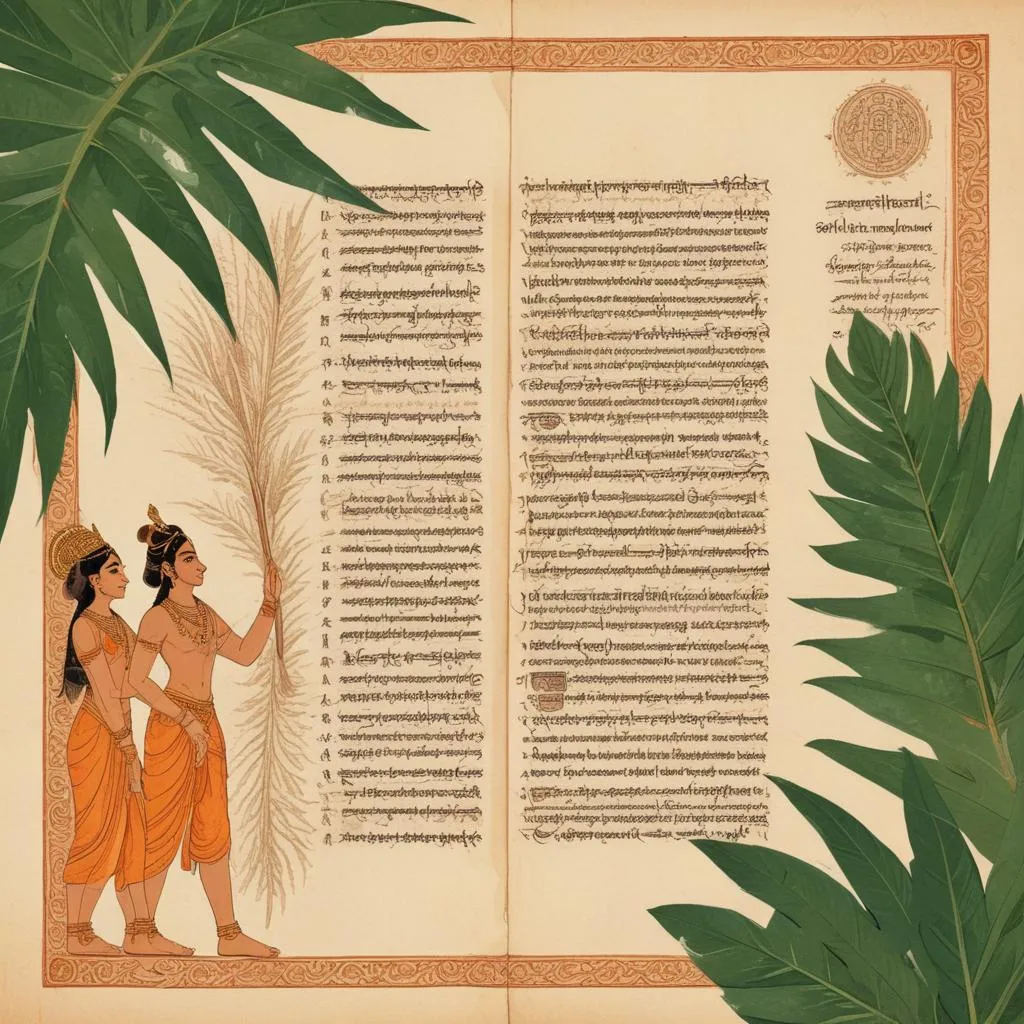
Ancient scriptures hold the timeless wisdom of the Mahabharata
The Mahabharata is not merely a story; it is a vast universe of philosophy, morality, and human drama. Spanning over 100,000 verses, it presents a constellation of complex characters, each embodying virtues, flaws, and profound dilemmas. The question of its "true hero" is a centuries-old debate that goes beyond simple valor on the battlefield. It invites us to examine the very definition of heroism through the lens of dharma (duty/righteousness), sacrifice, and spiritual growth.
Unlike modern tales with a single protagonist, the Mahabharata's narrative is polyphonic. To declare one true hero is to engage with the epic's core teaching: that truth and righteousness are often layered, contextual, and seen differently from various perspectives. Let's analyze the leading contenders and the qualities that make them heroic.
The Leading Contenders for the Title
The epic provides several characters with compelling claims to heroism, each representing a different archetype of virtue and duty.
1. Yudhishthira: The Hero of Dharma

The light of dharma, a central theme for Yudhishthira's journey
The eldest Pandava, known as Dharmaraja (King of Dharma), is the moral center of the epic. His heroism lies in his unwavering commitment to truth and righteousness, even when it leads to personal loss. He gambled away his kingdom and family, endured exile, and led a life of hardship, yet his core principle never shattered. His final test—refusing to enter heaven without his faithful dog (the embodiment of dharma)—cements his status. For many, the true hero is the one who holds fast to dharma against all temptations and adversities.
2. Arjuna: The Hero of Skill and Divine Purpose
The peerless archer and recipient of the Bhagavad Gita from Krishna. Arjuna's heroism is that of the supreme warrior who fulfills a divine mandate. His moment of crisis on the battlefield of Kurukshetra, where he lays down his arms, transforms into the greatest spiritual discourse. His heroism evolves from physical prowess to enlightened action (karma yoga). He performs his duty as a warrior without attachment, becoming the instrument of cosmic justice.
3. Krishna: The Hero of Guidance and Cosmic Play
While not a warrior in the conventional sense, Krishna's role as a charioteer, strategist, and philosopher is pivotal. He is the divine catalyst who ensures the victory of dharma. His heroism is transcendental; he orchestrates events, guides the Pandavas, and delivers teachings that redefine heroism as adherence to one's svadharma (personal duty). For devotees, he is the ultimate hero, the Paramatman (Supreme Soul) involved in the human drama.
4. Karna: The Tragic Hero
The unsung son of Kunti, blessed with unparalleled generosity and cursed by fate. Karna's heroism is one of tragic loyalty and resilience. Despite knowing his true lineage, he remained fiercely loyal to his friend Duryodhana. His generosity was legendary, and he faced a lifetime of injustice with immense courage. He represents the heroism of human spirit against insurmountable societal and cosmic odds.
5. Bhishma & Vidura: The Heroes of Vow and Wisdom
Bhishma, with his terrible vow of celibacy and lifelong service to the throne, represents the heroism of sacrifice and unbreakable promise. Vidura, the wise minister born of a maid, is the hero of conscience and counsel, constantly voicing dharma in a court turning deaf to it.
Redefining Heroism: The Mahabharata's Lesson
The epic deliberately complicates the notion of a singular hero to teach a deeper lesson:
- Contextual Dharma: There is no one-size-fits-all righteousness. Arjuna's duty as a warrior differed from Yudhishthira's as a king or Draupadi's as a wronged queen.
- Flawed Virtue: Every "hero" has significant flaws. Yudhishthira's gambling, Arjuna's pride, Bhishma's silent complicity—all show that heroism exists alongside human weakness.
- The Inner Battle: The greatest war is not at Kurukshetra but within the self. The true hero is one who conquers their own desires, doubts, and attachments, as illustrated in the Bhagavad Gita.
The path of self-realization, the ultimate battlefront in the Mahabharata
Conclusion: The Collective Hero
Perhaps the "true hero" of the Mahabharata is not an individual, but the principle of Dharma itself. The epic is a grand narrative of dharma being challenged, obscured, defended, and ultimately reaffirmed. Each major character acts as a vessel for a specific aspect of this cosmic principle.
For the spiritual seeker, the hero is Krishna (the divine guide). For the moralist, it is Yudhishthira. For the warrior, it is Arjuna. For the realist, it is the tragic Karna. The genius of the Mahabharata lies in its ability to let the reader decide based on their own understanding of life and duty.
In the end, the epic positions you, the listener or reader, as the potential hero. The question it implicitly asks is: "Having heard this tale of dharma and adharma, how will you now act in your own life?" The true heroism, therefore, is the wisdom to choose rightly in the complex battlefield of our own existence.