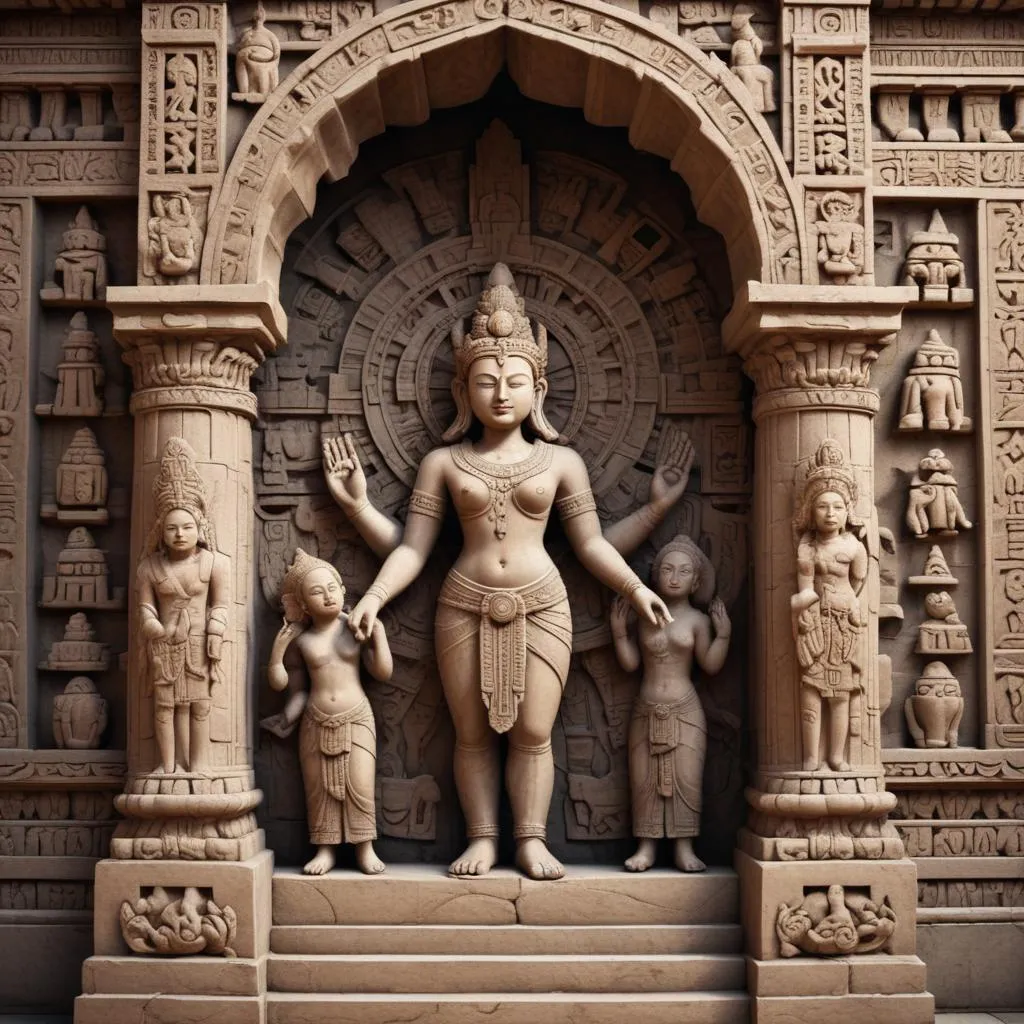
The Mahabharata, often called the fifth Veda, is not merely a tale of the Kurukshetra war. It is a vast ocean of human experience, where characters of immense depth grapple with morality, power, and destiny. At its heart are its women—queens, mothers, wives, and sages—who are not passive spectators but active agents, catalysts, and often, the moral compass of the narrative. They carried the wisdom to see through illusions and the pain of consequences that shaped the epic's course.
Architects of Destiny: The Foundational Mothers
The very foundation of the epic is laid by the choices and curses of its matriarchs. Their actions set the wheel of fate in motion.
Satvati & Ambika/Ambalika: The Weight of Lineage
Queen Satvati's determination to secure the Kuru lineage led to the practice of Niyoga, inviting the sage Vyasa to father heirs. The reactions of Ambika and Ambalika—one closing her eyes in fear, the other turning pale—directly resulted in the births of the blind Dhritarashtra and the pale Pandu. This single decision, driven by dynastic duty, sowed the seeds of the central conflict, demonstrating how women's actions, even under constraint, shaped royal destiny.
Kunti: Wisdom Wrapped in Secrecy
Kunti's early life was marked by a boon that became a burden. Her premarital use of the mantra to invoke the Sun God led to the birth of Karna, a secret she carried with lifelong anguish. Her wisdom guided the Pandavas, yet her initial silence about Karna's identity became a source of immense personal and eventual cosmic pain, contributing to the war's inevitability.

The Pillars of Strength: Wives and Queens in the Storm
As the political tensions escalated, these women became the anchors and often the voices of conscience in a crumbling world.
Draupadi: The Epicenter of Dharma and Disgrace
Draupadi is arguably the spine of the Mahabharata. Married to five men, she was the ultimate carrier of both wisdom and pain. Her sharp intellect questioned the very foundations of dharma during the dice game ("What right had a lost slave to stake another slave?"). Her public humiliation became the turning point, the *casus belli* that made war unavoidable. She carried the wisdom of justice and the searing pain of violation, vowing to leave her hair untied until washed in the blood of her wrongdoers.
Gandhari: Sacrifice, Sight, and Sorrow
Gandhari's voluntary blindfold, an act of solidarity with her blind husband Dhritarashtra, was a monumental sacrifice. Yet, her inner sight was profound. She offered wise counsel that was often ignored. Her pain culminated in the loss of her hundred sons. Her curse to Krishna, born from a mother's unbearable grief, foretold the end of the Yadava clan, showing how a woman's sorrow could shape divine destiny itself.
Voices of Sanity and Subversion
Beyond the central figures, other women provided critical perspectives, often challenging the patriarchal norms of their time.
- Vidula: A lesser-known but fierce mother who chastised her son for cowardice, embodying the Kshatriya spirit and defining duty over comfort.
- Ulupi & Chitrangada: Arjuna's wives from his travels, who represented different worlds and forms of love, expanding the narrative beyond Hastinapura.
- Subhadra: Krishna's sister, whose choice in eloping with Arjuna and her role as Abhimanyu's mother linked the Yadava and Kuru lines decisively.

The Legacy: Carriers of a Dual Burden
The women of the Mahabharata were not monolithic. Their experiences offer timeless insights:
- Wisdom as Insight: They often possessed clearer foresight (like Gandhari) and understanding of dharma (like Draupadi) than the men around them.
- Pain as Consequence: They bore the direct consequences of male ambition and adharma—widowhood, loss of sons, and social disgrace.
- Agency within Constraint: Their power was exercised within strict social structures, yet they found ways to influence, protest, and shape outcomes.
- The Moral Echo: Their curses, questions, and laments served as the epic's moral echo chamber, ensuring actions had resonant consequences.
In conclusion, to view the Mahabharata through its women is to understand the epic's soul. They carried the wisdom that illuminated paths of righteousness and the pain that measured the cost of straying from them. Their stories remind us that history's grand narratives are built on the silent strength and resonant voices of its women, who bear the weight of the world while holding the keys to its understanding.