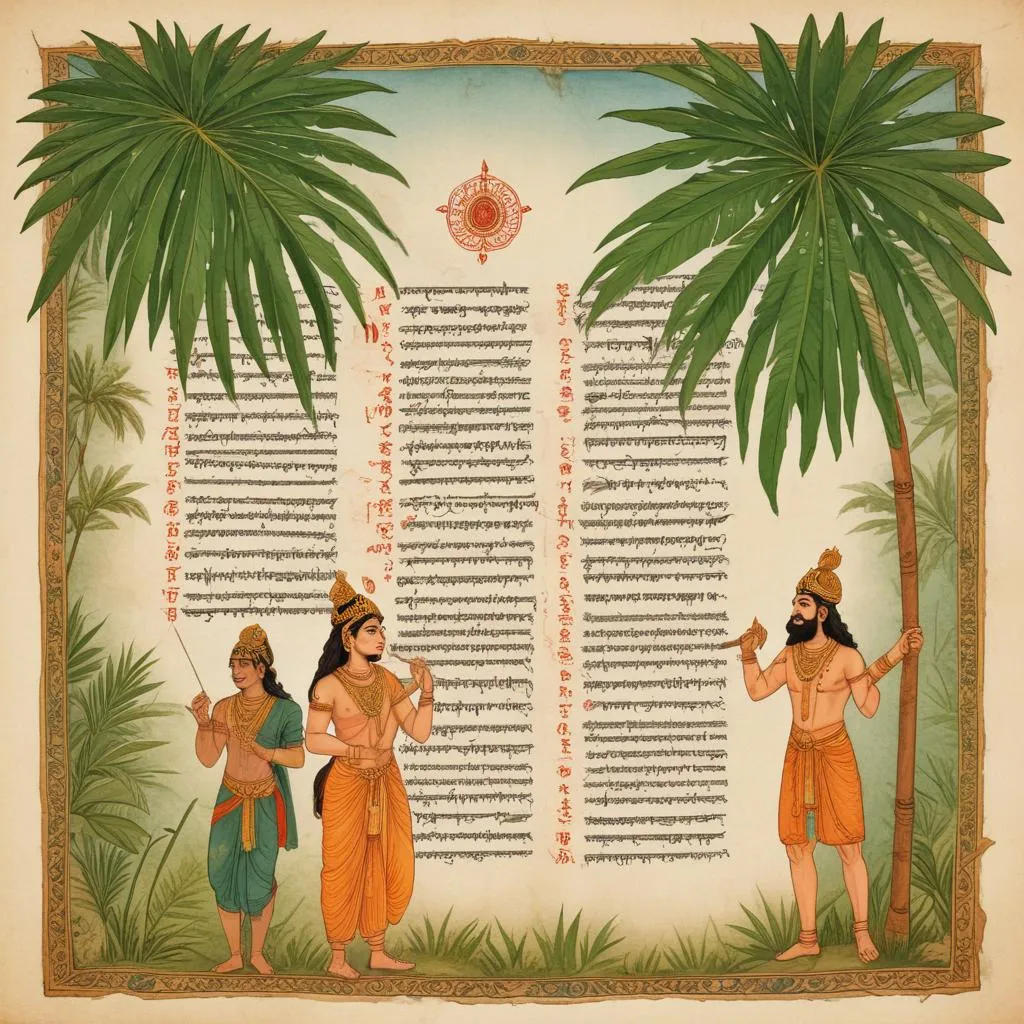
The Spark of Revenge: Injustice as the Catalyst
The epic's central conflict is rooted in a series of profound injustices. The Pandavas, rightful heirs, are cheated out of their kingdom through a rigged game of dice, publicly humiliated, and exiled for thirteen years. Draupadi's disrobing in the royal court is not just a personal violation but a cosmic affront to dharma (righteous order). This accumulation of wrongs creates a moral and emotional debt that, within the epic's worldview, demands repayment.
Revenge, in this context, is initially framed as a restoration of balance—a necessary, even righteous, response to adharma (unrighteousness). It is portrayed as the only language the perpetrators understand, a means to reclaim lost honor and agency in a world where legal and social recourse has failed.
The Dual Faces of Vengeance
The Mahabharata masterfully illustrates revenge not as a monolithic concept, but as a force with two starkly different outcomes, embodied by its characters.
1. Revenge as Purported Empowerment
For the Pandavas, the quest for vengeance becomes a unifying purpose that transforms them from victims into determined warriors. It fuels their discipline during exile, forges alliances, and provides the moral justification for the great war. In this light, revenge is a catalyst for empowerment—it pushes them to master their skills, clarify their purpose, and fight for what is theirs. It is the engine of their narrative arc from dispossession to reclamation.

2. Revenge as Guaranteed Destruction
Conversely, the epic simultaneously deconstructs this very notion. The Kurukshetra War, triggered by the desire for revenge, results in near-total annihilation. Great warriors, lineages, and codes of honor are wiped out. The "victory" of the Pandavas is pyrrhic; they rule over a kingdom of widows, orphans, and ashes.
Key figures like Ashwatthama, seeking personal vengeance after the war's end, commit atrocities that curse him for eternity. His story is a stark warning: revenge, unchecked and bleeding beyond the battlefield, consumes the seeker and destroys any remaining semblance of moral order. The epic shows that the cycle of violence, once initiated, is almost impossible to contain.
Beyond Personal Vendetta: Dharma and Cosmic Balance
The Mahabharata elevates the theme from personal vendetta to a cosmic scale. Lord Krishna, as the divine charioteer, frames the war not merely as the Pandavas' revenge but as a sacred duty (svadharma) to uphold cosmic righteousness. The enemy is not just the Kauravas but adharma itself.
This reframing is crucial. It suggests that action motivated by a higher principle of justice differs from action motivated solely by personal hatred and the thirst for retribution. Yet, the epic remains brutally honest about the horrific cost of even this "righteous" war, refusing to offer a simplistic, glorified answer.

Key Lessons on Revenge from the Epic
- The Cycle is Inevitable: One act of vengeance begets another, creating a self-perpetuating cycle of violence that engulfs everyone.
- The Cost is Absolute: Even "justified" revenge extracts a terrible price, often destroying what one seeks to reclaim.
- It Corrupts the Seeker: The process of seeking revenge often forces individuals to compromise their own values and humanity.
- The Alternative of Forgiveness: While difficult, the epic hints at forgiveness as the only true escape from the cycle, as seen in Yudhishthira's final reconciliation and the teachings of the Bhagavad Gita on detachment.
Conclusion: A Timeless Warning
The Mahabharata does not provide a binary verdict. Instead, it presents revenge as a deeply human, understandably compelling, yet ultimately catastrophic force. It acknowledges its allure as a path to empowerment for the disempowered, while simultaneously demonstrating its inevitable trajectory toward collective destruction.
The true wisdom of the epic lies in its profound warning: revenge may offer the illusion of empowerment and closure, but it is a fire that consumes the fuel it feeds on. The ultimate victory is not on the battlefield of Kurukshetra, but in the spiritual wisdom that transcends the need for retribution—a lesson that resonates as powerfully today as it did millennia ago.